

Are you considering using pre-cut or sheet goods for your home DIY projects?
Any home DIY project starts with careful planning and material selection. However, choosing the right material can be challenging. Luckily, you can make life easier by comparing your options.
Today, let’s explore pre-cut and sheet goods to determine which one is right for your projects.
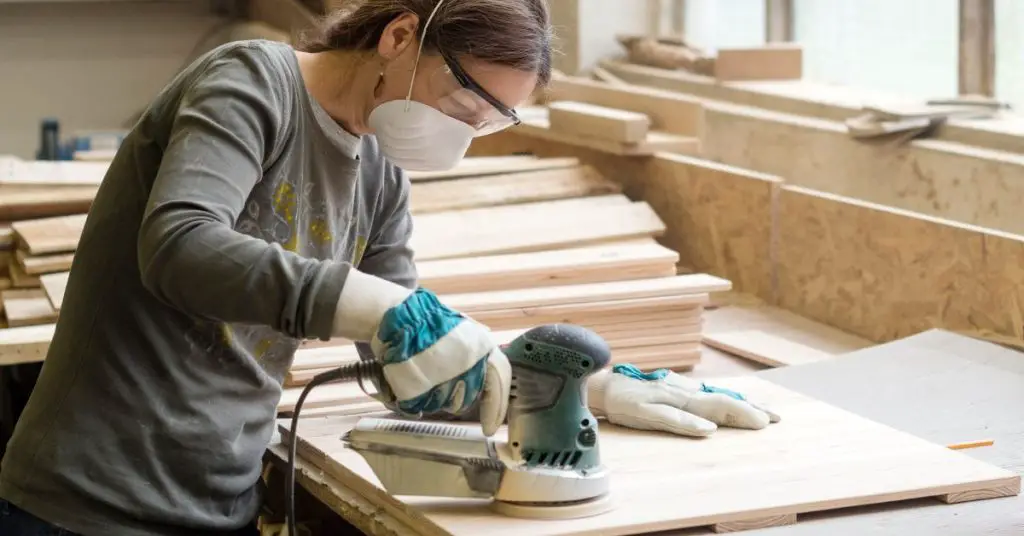
The Convenience of Pre-Cut Materials
Pre-cut materials are fantastic for beginners or anyone working in smaller spaces without a lot of tools. The primary advantage is convenience. Pre-cut materials come in standard sizes, so you don’t need to measure or cut anything.

Basically, you can jump straight into the fun part of your project. Pre-cut materials are ideal for simple projects like creating shelves, small repairs, or when you need materials that fit standard dimensions.
However, while pre-cut materials offer ease and speed, they can sometimes limit creativity. The sizes restrict your project dimensions, which might not suit every DIY idea you have in mind.
The Flexibility and Cost Effectiveness of Sheet Goods
For those willing to put in a little extra work, sheet goods offer a world of flexibility and customization. Buying materials in larger sheets and cutting them down yourself means you can tailor each piece to fit your project’s specific dimensions, no matter how unique they might be.
Sheet goods are also more cost effective than pre-cut materials. You can get more material for your money, which comes in handy for larger projects. However, working with sheet goods does require the right tools, a bit of know-how, and possibly a larger workspace.
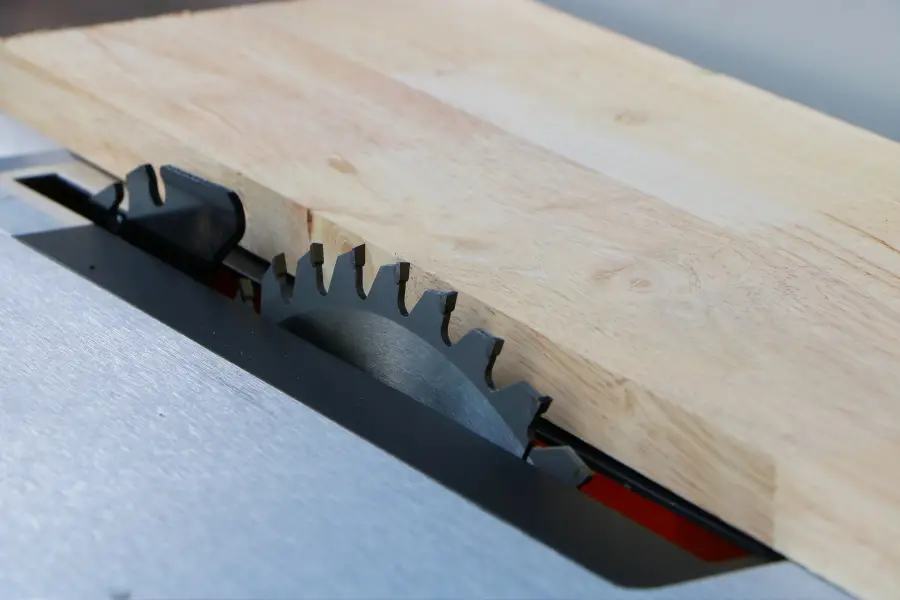
If you’re leaning toward sheet goods but are a bit skeptical about the cutting process, don’t worry. Cutting down sheet goods is easier with the right tools. For instance, you can learn how to break down sheet goods with a track saw and create more manageable pieces.
Project Scale and Timeline Considerations
Choosing between pre-cut and sheet goods for your home projects depends on the scale of your project and your timeline.
Smaller, time-sensitive projects benefit from pre-cut materials. In contrast, sheet goods are better for larger projects or if you have a flexible timeline.

For example, you could use sheet goods for a custom bookcase. However, pre-cuts suit straightforward projects like crafting a basic coffee table or assembling garden planters.
Tips for Selecting the Right Material
- Assess your skill level: Be honest about your comfort with tools and cutting techniques.
- Consider your space: How much room do you have for storage and to safely make cuts?
- Plan your design: Detailed planning can reveal whether pre-cut materials will suffice or if custom cuts are necessary.
- Budget wisely: Factor in the cost of materials and tools you’ll need.
Final Thoughts
Selecting the right materials depends on your project needs, personal preferences, and DIY skills.

While pre-cut materials offer convenience and ease, sheet goods are flexible and cheaper. However, they require extra work. But regardless of your choice, the success of your DIY project starts with you!
Designer Tip: When It Might Be Time to Bring in Help
If you’re working on your home and things still don’t feel quite right, you’re not alone. Many of our clients start exactly where you are now. They’ve gathered ideas, saved inspiration photos, and maybe even purchased a few pieces, but the space still doesn’t feel cohesive. That’s often the moment when having a designer can make all the difference. We help homeowners create a clear plan so every decision works together. From layout and furniture placement to finishes and lighting, the goal is a space that feels thoughtful, comfortable, and complete.
If you’d like a little guidance with your space, you can learn more about our interior design services below.
Explore Interior Design Services
Planning a kitchen, living room, or full home project? Start with a quick discovery call to see if we’re a good fit.
Let’s go beyond the design to build something beautiful together!
Until next week,
Happy building friend!
More Building Tips:
Easy Guide on How to Sand Wood for a Smooth Finish

0 Comments