

A home office transformation often starts with one realization: your current setup just isn’t enough. From trying to locate your mouse through clutter on your desk to back pain from a chair that hurts you when sitting for too long, it becomes clear that making changes could significantly enhance work functionality and efficiency.

Photo by Paige Cody on Unsplash
Although renovating may seem like a frustrating task, with thoughtful choices and hard work you can craft an environment that brings both joy and productivity in equal measures.
Assess Your Space: The Good, The Bad, and The Ugly
Begin by carefully considering all aspects of your current home office. What works? What doesn’t? Don’t become attached to that wobbly desk you’ve had since college.
Make a list of must-haves, nice-to-haves and those items to avoid as quickly as possible. Also think about your use of the space. Do you require more storage, better lighting or perhaps an intimate corner for brainstorming new ideas.

All these factors will influence the planning stage and renovation plan.
Furniture That Fits: Function and Comfort
Your quest for the ideal home office begins and ends with selecting furniture. First on the agenda should be selecting a desk large enough to house all of the materials you use on a regular basis.
Consider desks with built-in storage solutions or adjustable height settings that reduce hunching over.
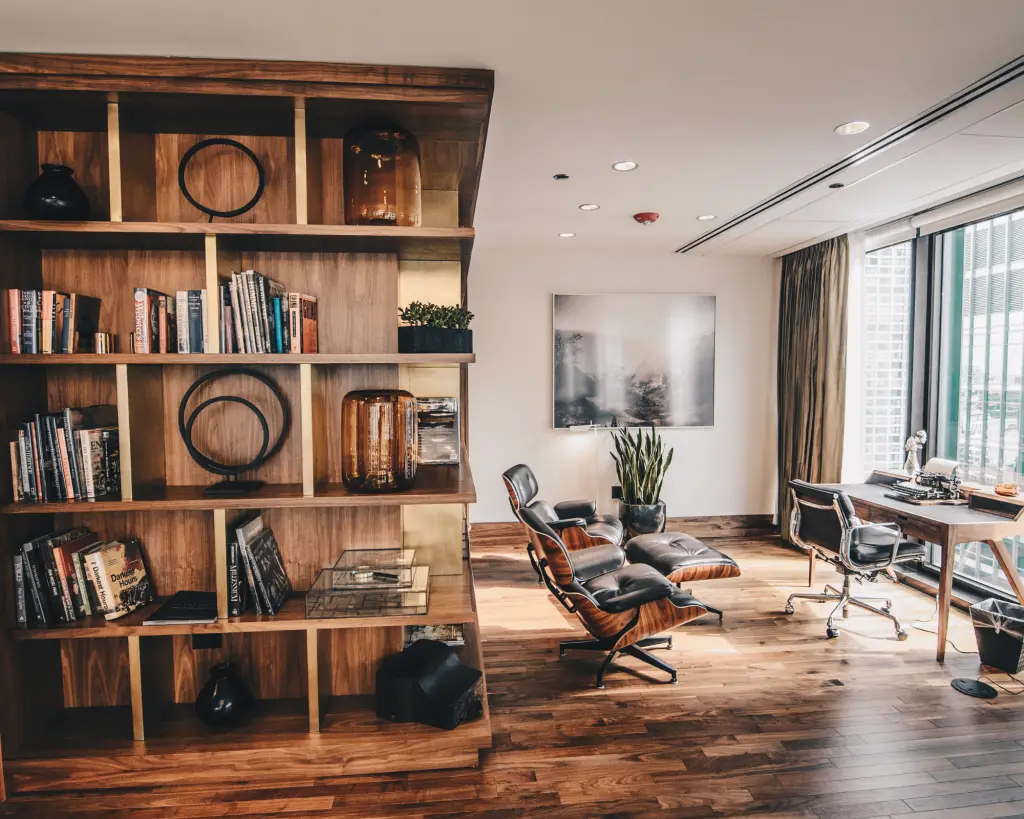
Next up are chairs, splurging on an ergonomic model could do wonders for both back pain relief and productivity. Consider investing in one as it will likely become part of daily life.
Declutter and Organize: Tidy Space, Tidy Mind
A clutter-free workspace can do wonders for both focus and efficiency. Utilizing shelving, drawers, storage bins, cable management solutions and filing systems (physical or digital) to keep important items close at hand while out of sight will keep extra junk at bay. Marie Kondo wasn’t talking about closets only.
Light It Up: Natural and Artificial Solutions
Good lighting is key to any productive workspace. Natural light should always be your top priority, so if possible place your desk near a window.
Consider upgrading to convenient sliding window options for better control over ventilation and natural lighting. Artificial solutions may include overhead fixtures and task lamps designed to relieve eye strain.
Just remember to adjust screen brightness and font size settings regularly in order to prevent unnecessary squinting.
Tech Upgrades: Invest in Your Tools
Your computer, monitor and other tech peripherals are your work companions, don’t make them do all of the heavy lifting with outdated equipment.
Dual monitors can greatly increase efficiency while high-quality keyboard and mouse can reduce strain on hands and wrists. A pair of noise-canceling headphones could also come in handy in noisy home environments.
Personal Touches: Make It Yours
While functionality should always come first, don’t neglect adding your personality and creativity into your workspace. This could include adding artwork, plants or something fun like an amusing pencil holder that makes you smile.
Anything to create an environment in which you can work comfortably and be inspired. Remember it’s YOUR office, after all.
Acoustic Treatment: Silence, Please!
If your home office is suffering from noise from either within the house or outside sources, investing in some acoustic treatment might be worthwhile.
This doesn’t have to mean lining your walls with professional soundproofing panels, simple solutions such as adding thick rugs, curtains, or strategically arranged bookshelves may greatly dampen soundwaves and make your environment more serene.

Ergonomics: The Science of Comfort
Ergonomics isn’t just a buzzword, it’s the art and science of designing an ergonomic workspace that fits you rather than forcing you to conform.
A keyboard tray to keep wrists at an ideal angle, monitor stand to place screen at eye level, footrest or sit-stand desk can all make a significant difference to how your body feels by the end of the day.
Maintenance: Keep the Momentum
Once an office renovation project has been completed, upkeep should continue throughout. Regular decluttering sessions and even some periodic rearrangement of setup may help ensure things run smoothly and remain aesthetic.
Keep on top of tech maintenance by updating software and backing up files regularly to ensure smooth operations of everything running within it.

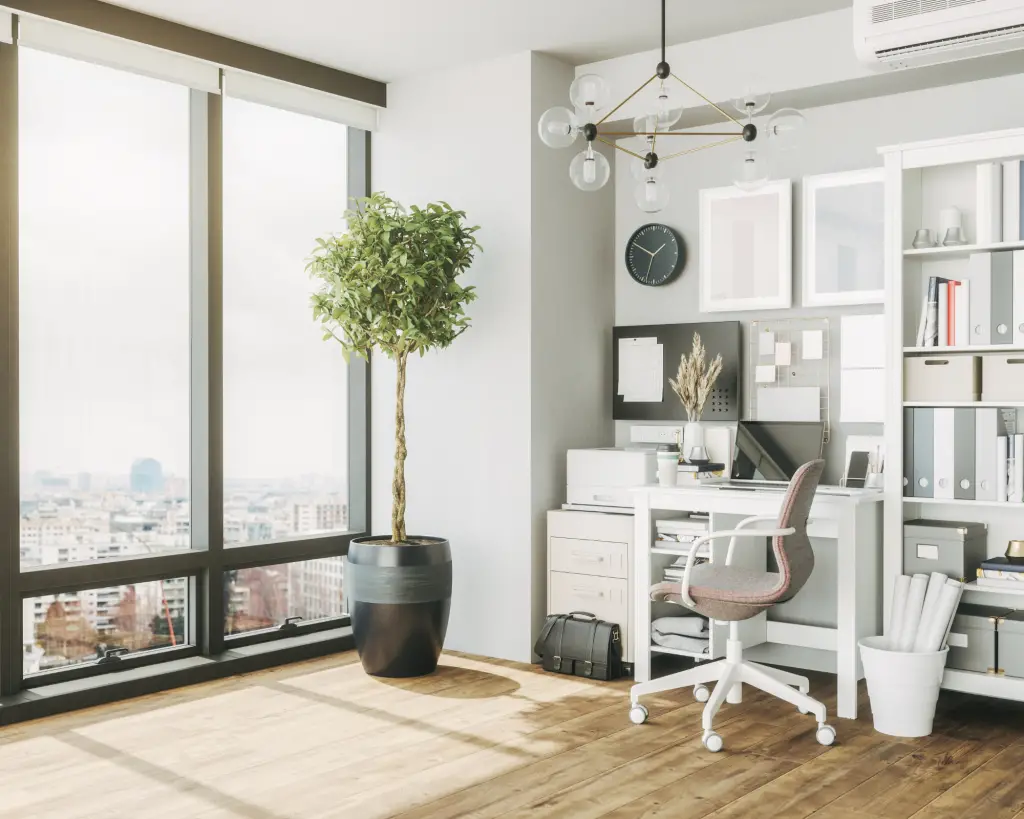
Photo by Grovemade on Unsplash
Renovating your home office for increased functionality doesn’t need to be intimidating. By evaluating your current space, focusing on comfort and ergonomics, and adding personal touches, you can craft an inviting workspace that not only looks good but also supports and enhances productivity.
Remember: the goal of renovation should be creating an environment in which creativity thrives. So roll up your sleeves and transform your office into the ultimate work haven.
Designer Tip: When It Might Be Time to Bring in Help
If you’re working on your home and things still don’t feel quite right, you’re not alone. Many of our clients start exactly where you are now. They’ve gathered ideas, saved inspiration photos, and maybe even purchased a few pieces, but the space still doesn’t feel cohesive. That’s often the moment when having a designer can make all the difference. We help homeowners create a clear plan so every decision works together. From layout and furniture placement to finishes and lighting, the goal is a space that feels thoughtful, comfortable, and complete.
If you’d like a little guidance with your space, you can learn more about our interior design services below.
Explore Interior Design Services
Planning a kitchen, living room, or full home project? Start with a quick discovery call to see if we’re a good fit.

0 Comments