

Wall tiles can enhance the beauty and ambiance of any space. They can be used anywhere, from outdoor areas like the balcony and terrace to your living room, bedroom, bathroom, and kitchen.
They can even be used in commercial establishments like hospitals, schools, or restaurants. Here are a few ways to select the best wall tile for your home.
For years, tile’s primary functional role has been protecting walls from moisture. Today, DIYers use tile as a stylish accent, extending its application beyond bathrooms and kitchens.
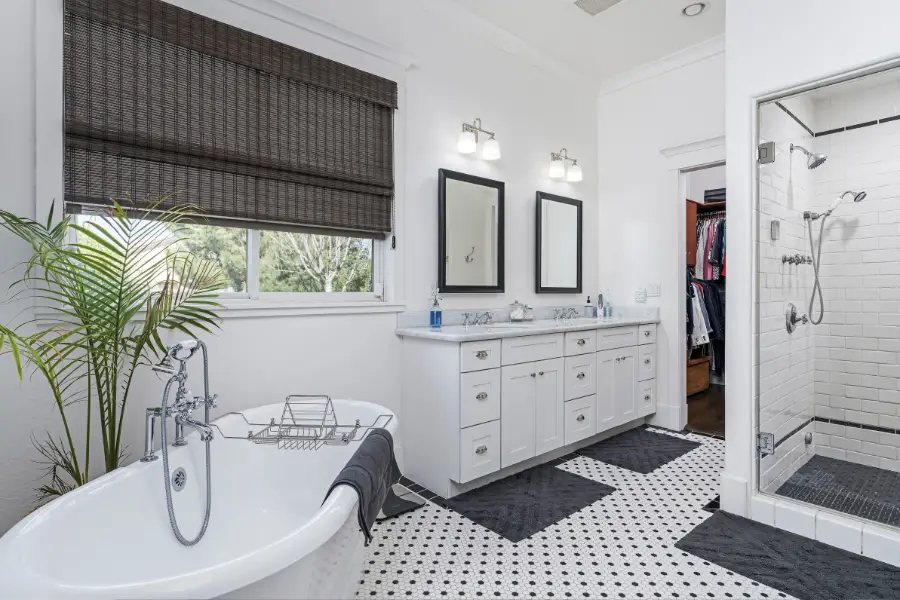
Wall tiles are incredibly versatile and can infuse the right amount of color, texture, and character into any room. Whether you’re looking to add a splash of personality or need an upgrade, selecting the right wall tile for your next DIY project is crucial.
This guide will help you make the best decision.
Consider Your Existing Color Palette
With any design decision, you should follow the overall color palette of the rest of your home. Generally, home color palettes should feature three to five hues, including a neutral, a secondary color, and an accent color.
You can choose to have your tiles either harmonize with your current color scheme or introduce contrast with an accent hue that enhances your overall aesthetic.

Another aspect to consider is the tile’s finish. Tiles come in matte, glossy, or textured finishes, each adding a different vibe to a room.
Tile finishes should complement your personal aesthetic and their function. For instance, shower tiles tend to be glossy or polished so that they’re easier to clean.
Understand Your Space
Chances are, you won’t be tiling an entire wall from top to bottom. So take a step back to examine the available space you have to tile to influence your design choices.
You’ll want the scale and pattern of tiles you use to complement the given area, not work against it.
In most cases, large tiles are more visually appealing on larger surfaces like shower walls, and small tiles better suit areas like kitchen backsplashes.

However, playing with scale can make a space look more open or intricate than it actually is. Large tiles give walls a spacious appearance, while smaller tiles tend to look busy because they require more grout.
Compare Popular Tile Materials
Choosing the best tile material is one of the most important decisions when planning a DIY project. Each material comes with its own pros and cons, including durability, functionality, and price.
Ceramic and porcelain tiles see wide use due to their versatility and resilience, making them ideal for almost any room. Glass tiles offer a luminous quality, perfect for creating statement backsplashes, whereas natural stone adds texture and depth, offering a unique finish.

The right wall tile can significantly impact the look and feel of any room. By understanding your space, selecting the right material, and exploring color and scale, you’re well on your way to updating your bathroom or kitchen with style and confidence.
Don’t be afraid to experiment with wall tile in unconventional places like built-in shelves or home bars to make a design statement.
Designer Tip: When It Might Be Time to Bring in Help
If you’re working on your home and things still don’t feel quite right, you’re not alone. Many of our clients start exactly where you are now. They’ve gathered ideas, saved inspiration photos, and maybe even purchased a few pieces, but the space still doesn’t feel cohesive. That’s often the moment when having a designer can make all the difference. We help homeowners create a clear plan so every decision works together. From layout and furniture placement to finishes and lighting, the goal is a space that feels thoughtful, comfortable, and complete.
If you’d like a little guidance with your space, you can learn more about our interior design services below.
Explore Interior Design Services
Planning a kitchen, living room, or full home project? Start with a quick discovery call to see if we’re a good fit.
Let’s go beyond the design to build something beautiful together!
Until next week,
Happy building friend!
More Design Tips:
Vinyl Plank Flooring vs Engineered Hardwood: Which is Best?

0 Comments