

What are the easiest indoor plants to keep alive? Let’s find out!
Are you someone who loves the idea of houseplants but fears you might not have a green thumb? That was me a few years ago. I pitied any plant I ever received as a gift, because I could pretty much guarantee its impending death.
But then I discovered the world of plants that almost take care of themselves. And I was hooked. More than 10 plants later, and some may call me the “plant lady”. Haha! The “plant lady” who cheats and only buys the easy houseplants. :) That’s me!
“What are these easy house plants you speak of?” You may be wondering. Let’s dive in and explore the easiest indoor plants to keep alive.
Oh and be sure to read to the end. Because I’m revealing some surprising contenders that may just be tougher than they look.

11 Easiest Indoor Plants to Keep Alive
#1: Fiddle Leaf Fig (Ficus lyrata)
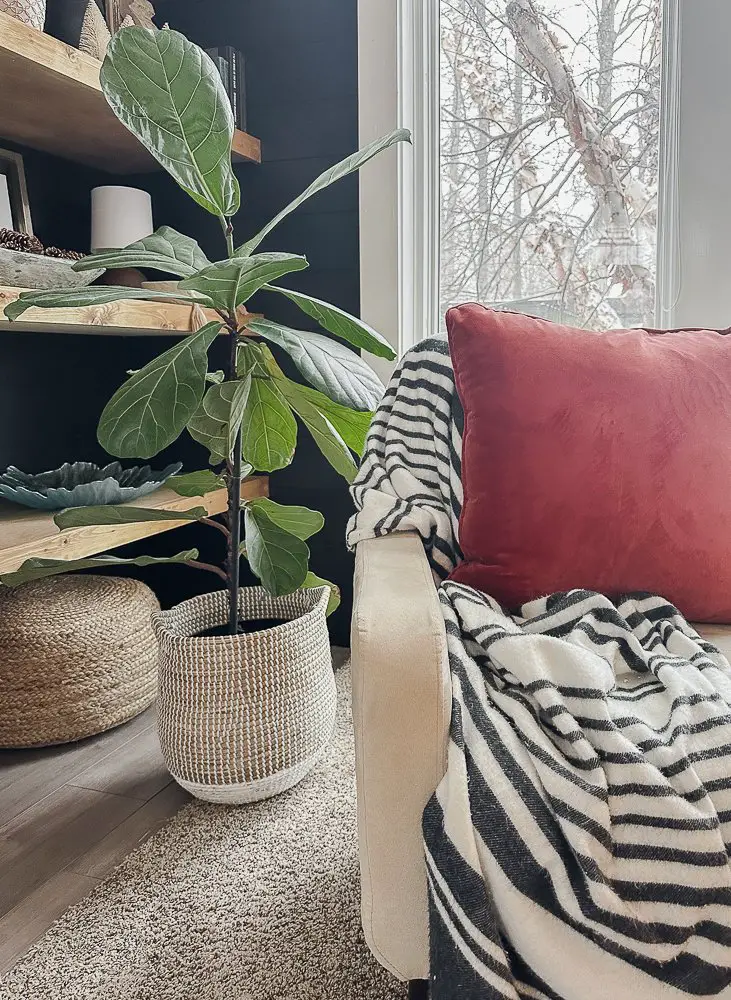
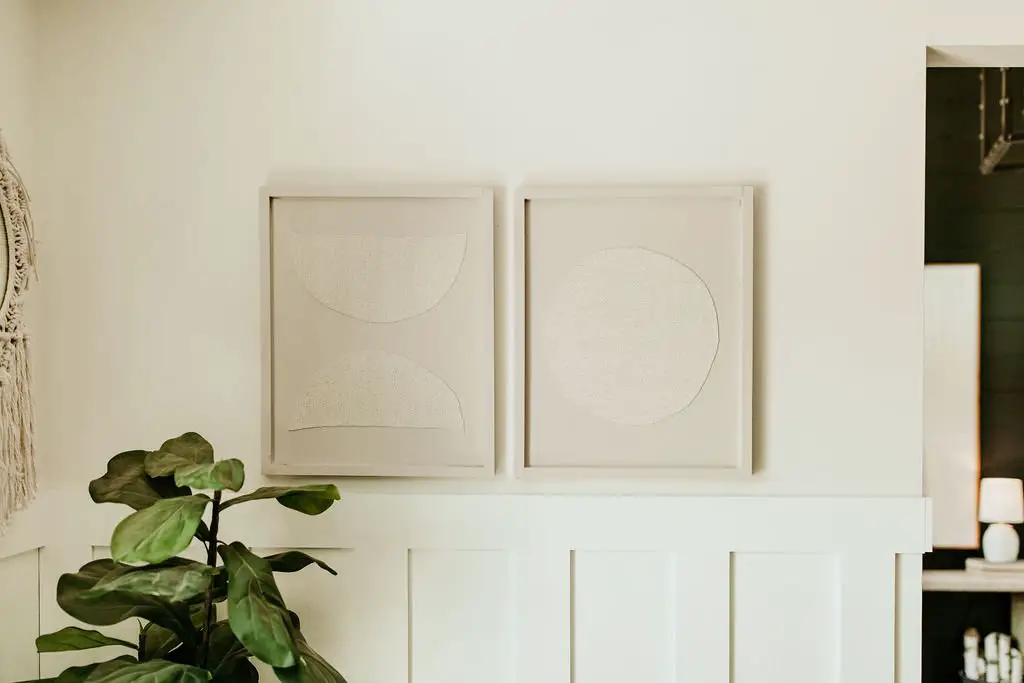
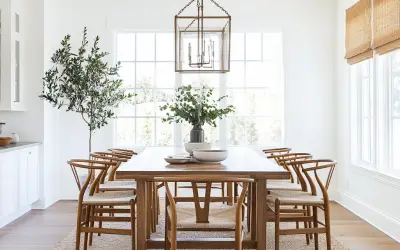
Falling in my top 3 favorite is the Fiddle Leaf Fig. I have 3 of these and I would have to say they are my favorite. One in my living room and 2 flanking the windows in my dining room. They truly are the easiest plants to care for.
And with its large, glossy, violin-shaped leaves, it’s a favorite amongst interior designers.
Depending on the size of the planter, Fiddle Leafs can grow to be huge! If you’re wanting it to maintain it’s size and not get much bigger, keep it in its original pot. However, if you want it to fill a corner and grow to be very tall and full, upsize its planting pot every 2-3 years.
Care Tips: It thrives in bright, indirect light and requires watering only when the top inch of soil is dry. Be mindful not to overwater, and give it a consistent environment, as it doesn’t like changes in temperature or location.
#2: Peace Lily (Spathiphyllum)–Easiest Indoor Plants to Keep Alive
As I shared in my last article, Adding Greenery to Your Home, the Peace Lily I have in my home, holds a very special place in my heart. I acquired it from my grandparents’ funeral a couple years ago.
Every year around Easter, it’s a great reminder of them, when the white flowers bloom amongst the dark green leaves. Such a beautiful plant.
But the Peace Lily is more than just an attractive plant, it’s actually a natural air purifier too. Contributing to a healthier living environment, it’s known to filter out harmful toxins.
If you’re looking for a plant that is very forgiving, a Peace Lily is an excellent choice. Known for its ability to thrive in lower light conditions, it’s perfect for rooms with few windows.

#3: Snake Plant (Sansevieria)
Coming in as my 3rd favorite plant that I own, is the Snake Plant. What I love about this plant is, it is literally hands off almost all the time.
I only have to water it once every couple months. And I can put it anywhere in my house and it will thrive. Very little sunlight needed. The easiest of easiest houseplants.
That’s my kind of plant.
Care Tips: Known for its upright, sword-like leaves, this striking plant thrives in low light and only needs watering every 2-6 weeks. Depending on light and humidity, it may require less water.

#4: Aloe Vera–Easiest Indoor Plants to Keep Alive
This succulent plant is not only easy to care for but also has medicinal properties. It prefers bright, indirect sunlight and requires minimal watering.
It’s perfect for sunny kitchen windowsills.
Aloe Vera is a low-maintenance and useful plant. It thrives in bright, indirect sunlight, so placing it near a window works well.
If your kitchen window is a sunny spot, your aloe plant will thrive there.
It’s important to water Aloe Vera plants only every 2-3 weeks, making sure the soil completely dries out between waterings. Overwatering can harm the plant, so be cautious.
A unique feature of the Aloe plant is its gel, which is beneficial for soothing skin burns and irritations. Just break off a leaf and apply the gel to your skin for relief.
Care Tip: For best results, always check the soil before watering your Aloe Vera. It’s better to underwater than overwater. This will keep your plant healthy and happy.

#5: Pothos (Epipremnum aureum)
Known for its heart-shaped leaves and trailing vines, pothos is a great beginner plant. It can handle a range of lighting conditions and infrequent watering.
Pothos, also known as Devil’s Ivy, is an ideal plant for those new to indoor gardening.
Although it flourishes best in indirect, bright to medium light, it’s quite resilient and can survive in various light conditions.
Its vines can be draped elegantly or trained to climb.
Care Tip: If you’re unsure when to water your Pothos, it’s safer to wait a few more days. This plant handles under-watering better than over-watering.

#6: Jade Plant (Crassula ovata)
The Jade Plant is a charming succulent with thick, oval-shaped leaves. It’s very low-maintenance, requiring full sun and infrequent watering.
It can live for many years, becoming more tree-like over time. Another one of the easiest indoor plants to keep alive.
Care Tips: Ensure it receives at least 4 hours of direct sunlight daily. Water the plant when the topsoil feels dry, typically every 2 to 3 weeks. Reduce watering in the winter. Repot every 2 to 3 years to encourage new growth and refresh the soil.

#7: Philodendron–Easiest Indoor Plants to Keep Alive
With its heart-shaped leaves, Philodendrons are not only beautiful, but also fall under the easy-care houseplants. Capable of growing in different kinds of light, they do best in medium to bright indirect light.
Water them when the top inch of soil feels dry, usually about once a week.
They like to have their leaves cleaned occasionally, which keeps them looking shiny and healthy.
Another great plant for improving the air quality in your home.
Care Tips: Remember to check the soil before watering your Philodendron. If it’s still moist, wait a few more days. This helps prevent overwatering, which can harm the plant.

#8: Boston Fern (Nephrolepis exaltata)
Requiring a little more maintenance, Boston Ferns are known for their bright green, feathery leaves that can add a touch of nature to any room.
They like to be in a cool place with high humidity, like a bathroom, and they need indirect light.
It’s important to keep the soil consistently moist, but not soggy.
Boston Ferns also enjoy being misted with water, especially when the air is dry.
And once again, another natural air purifier for your home.
Care Tips: Make sure your Boston Fern gets enough humidity. If your home is dry, try placing the fern’s pot on a tray filled with pebbles and water, or mist it regularly. This helps keep the leaves from turning brown and drying out.

#9: ZZ Plant (Zamioculcas zamiifolia)
The ZZ Plant is known for its dark green, glossy leaves and is a great choice for people who are busy or forget to water their plants.
It’s a super tough plant that can handle minimal light. Making it perfect for rooms that don’t get a lot of sunshine.
Water it only when the soil is completely dry, which might be every couple of weeks or longer.
The ZZ Plant grows slowly but steadily, and it’s great for making any space look greener and more lively. And it’s one of the easiest indoor plants to keep alive.
Care Tips: Be careful not to overwater your ZZ Plant. It’s better to let the soil get a bit too dry than too wet. This helps prevent root rot, keeping your plant healthy and happy for a long time.

#10: Spider Plant (Chlorophytum comosum)
The perfect plant for beginners. Next to impossible to kill!
Known for its long, green and white striped leaves, the Spider Plant is a fun and easy-to-grow houseplant,
Water them when the top inch of soil feels dry, usually about once a week.
The coolest feature of these plants are the baby plants they grow, called “pups”. These “pups” can be replanted to make new Spider Plants.

#11: Rubber Plant (Ficus elastica)
Known for its dark green, shiny leaves, the Rubber Plant is a robust and easy-to-grow indoor plant.
Rubber Plants like a spot with medium to bright indirect light.
Water them when the top inch of soil gets dry, which is usually every 1-2 weeks. In the winter, they need less water.
These plants can grow pretty big, making them a nice choice for filling up space in a room.
Care Tips: Be sure to wipe the leaves of your Rubber Plant with a damp cloth sometimes. This keeps the leaves clean and helps the plant absorb more light. Also, during the growing season in spring and summer, you can give it a little plant food once a month to help it grow.

Be sure to check out more about Adding Plants to Your Home, in this article.
Benefits of Having Indoor Plants
Bringing plants into your home isn’t just about the aesthetics. You’re also making your home a healthier and happier place to be.
Lighting and Watering Tips for Indoor Plants
Each plant has unique needs, but here are some general tips:
- Light: Most easy-care plants prefer bright, indirect light. A spot near a window with a sheer curtain is ideal.
- Rotate Your Plants: Plants can lean towards the light, so rotating them every few weeks helps them grow evenly.
- Water: Overwatering is a common mistake. Ensure pots have drainage holes and water only when the top inch of soil feels dry
- Use Room Temperature Water: Cold water can shock the plants, so it’s best to use water that’s about the same temperature as your room.
Best Indoor Plants for Low-Light Spaces
Not all of us are blessed with bright, sun-drenched rooms, but that doesn’t mean we can’t enjoy the beauty of indoor plants! If your home lacks natural light, these hardy, low-light plants will thrive with minimal effort.
1. Snake Plant (Sansevieria) – The Ultimate Survivor
Also known as the “Mother-in-Law’s Tongue,” the snake plant is nearly impossible to kill. It thrives in low-light conditions and only needs water every few weeks. Bonus: It improves air quality by filtering toxins!
2. ZZ Plant (Zamioculcas zamiifolia) – Low Light, No Problem
This plant is the definition of low-maintenance. The ZZ plant can go weeks without water and still look lush and vibrant. It tolerates dim corners, making it perfect for offices, hallways, or bedrooms.
3. Pothos (Epipremnum aureum) – The Effortless Vining Beauty
Pothos is a fast-growing, trailing plant that can handle everything from bright, indirect light to low-light spaces. It’s forgiving if you forget to water it and adds instant greenery to any room.
4. Cast Iron Plant (Aspidistra elatior) – Tough as Nails
Just like its name suggests, the cast iron plant is incredibly resilient. It thrives in low-light, handles neglect, and can tolerate temperature fluctuations. A perfect choice for busy plant parents!
Pro Tip: How to Help Low-Light Plants Thrive
While these plants do well in minimal light, rotating them to a brighter spot occasionally can boost their growth. Also, dust their leaves regularly to help them absorb as much light as possible!
By adding a few of these resilient beauties to your home, you’ll enjoy the benefits of greenery without the stress of constant care. Looking for more easy-to-care-for plants? Check out my complete guide to foolproof houseplants!
Decorating Your Home with Indoor Plants
Incorporate plants into your home decor by:
- Creating a Living Wall: Hang small plants on a wall for a stunning display.
- Utilizing Plant Stands: Elevate your plants with stylish stands.
- Grouping Plants: Arrange plants in clusters at varying heights for a lush look.
Be sure to check out Adding Greenery to Your Home for more decorating tips.

Troubleshooting Common Plant Care Issues
Run into a problem? Here’s how to fix it:
- Yellow Leaves: Often a sign of overwatering. Let the soil dry out more between waterings.
- Drooping Leaves: Usually means the plant needs water. Check the soil and water if it’s dry.
- Brown Tips: This could be due to dry air. Try misting your plant or moving it away from air vents.
Surprising Contenders That are Tougher Than They Look
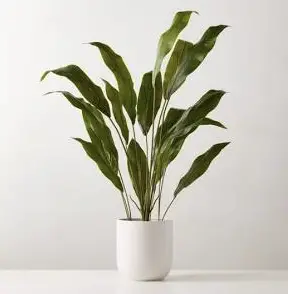
Cast Iron Plant (Aspidistra elatior): Don’t let its delicate look fool you. The Cast Iron Plant is super tough. It can handle low light conditions, poor soil, and even neglect. It’s perfect if you forget to water it now and then.
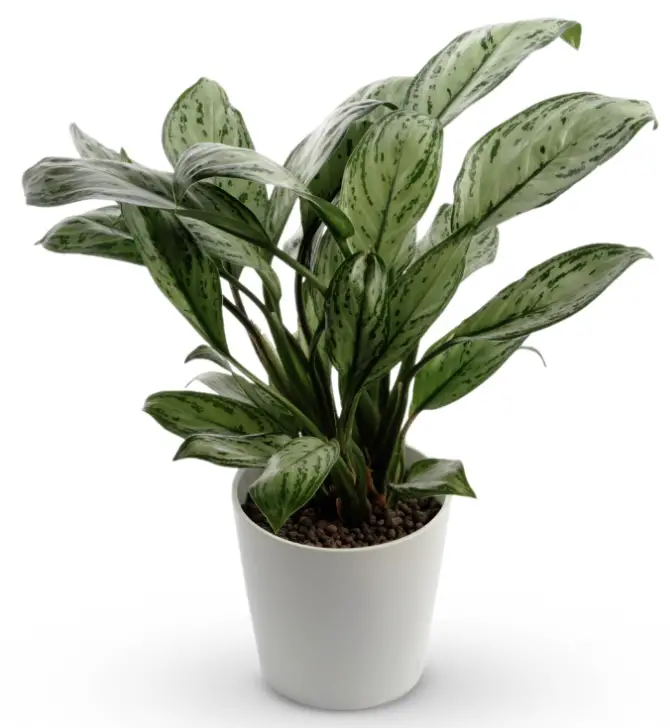
Chinese Evergreen (Aglaonema): This plant has pretty, patterned leaves and is more durable than it looks. It can grow in low light and doesn’t need a lot of water, making it great for busy plant owners.
Christmas Cactus (Schlumbergera): Despite its festive name, this cactus is sturdy year-round. It doesn’t need much water and can handle different light conditions. Plus, it surprises you with beautiful flowers around the holidays.
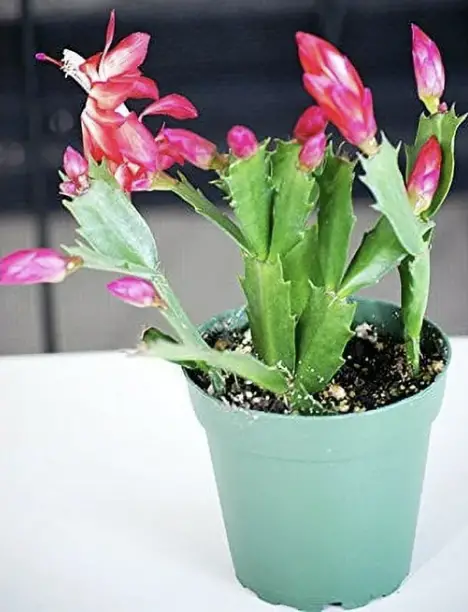
These plants are great for adding some green to your space without needing a lot of special care. They can handle a bit of neglect, making them perfect for beginners or anyone with a busy schedule.
And as promised, the most resilient plant we mentioned? It’s the Snake Plant! This hardy warrior can withstand a lot of neglect, making it a champion among low maintenance indoor plants.
Happy planting!
Designer Tip: When It Might Be Time to Bring in Help
If you’re working on your home and things still don’t feel quite right, you’re not alone. Many of our clients start exactly where you are now. They’ve gathered ideas, saved inspiration photos, and maybe even purchased a few pieces, but the space still doesn’t feel cohesive. That’s often the moment when having a designer can make all the difference. We help homeowners create a clear plan so every decision works together. From layout and furniture placement to finishes and lighting, the goal is a space that feels thoughtful, comfortable, and complete.
If you’d like a little guidance with your space, you can learn more about our interior design services below.
Explore Interior Design Services
Planning a kitchen, living room, or full home project? Start with a quick discovery call to see if we’re a good fit.
Let’s go beyond the design to build something beautiful together!
Check Out More Great Design Posts
5 Essentials Every Entryway Needs

0 Comments