

A well-designed dining room isn’t just about having a table and chairs—it’s about creating a space that feels inviting, functional, and visually balanced. However, some common design mistakes can make your dining room feel cramped, uninviting, or impractical for everyday use. Here’s what to watch for and how to fix these common dining room design mistakes.

9 Dining Room Design Mistakes
Your dining room should feel intentional, balanced, and welcoming. Small design mistakes can make it feel awkward or impractical. The right furniture, lighting, and color palette all play a role in the overall look and function.
Even details like rug size and centerpieces can make a big impact. In this article, we’ll cover nine common dining room mistakes and how to fix them.
Want expert advice on how to make your dining room both functional and visually appealing? Check out my interior design services. Let’s hop on a free design consultation call today!
1. Choosing the Wrong-Sized Dining Table
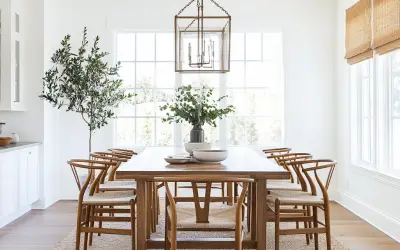
One of the most common mistakes homeowners make is selecting a dining table that doesn’t fit the space. A table that’s too large can overwhelm the room and make movement difficult, while one that’s too small can feel underwhelming and leave too much empty space.

Image Credit: @ann_marie_co
How to get It right:
- Measure your dining area before purchasing a table.
- Leave at least 36 inches of clearance around the table for chairs and movement.
- For smaller spaces, consider an extendable table to accommodate guests when needed.
2. Poor Lighting Choices
Lighting plays a crucial role in the ambiance of your dining room. A single overhead light may feel too harsh, while dim lighting can make the space feel dull.

How to choose lighting:
- Use layered lighting: a chandelier or pendant light for overhead illumination, sconces or floor lamps for additional warmth, and candles or table lamps for ambiance.
- Make sure the chandelier is 30-36 inches above the dining table for proper balance.
- Install a dimmer switch to adjust brightness based on the occasion.
3. Ignoring the Importance of Comfortable Seating
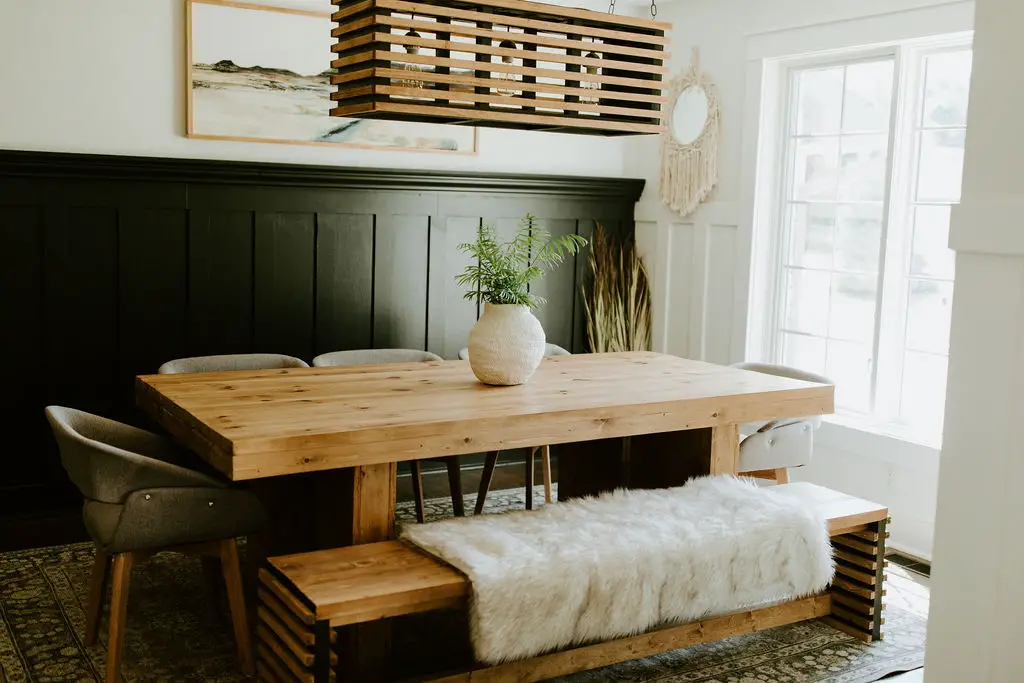
A dining room should be as comfortable as it is stylish. Stiff, hard-backed chairs may look great but can make long meals or gatherings uncomfortable.
How to get It right:
- Choose chairs with proper lumbar support and cushioned seats, if possible.
- If you already have hard chairs, add seat cushions or upholstered options for extra comfort.
- Mix chair styles with a bench on one side for a more relaxed, functional feel. Benches are a great way to add extra seating too!
4. Using a Rug That’s the Wrong Size
A rug that’s too small under the dining table can make the room feel unbalanced and create awkward transitions when chairs are pulled out.

How to get it right:
- Your rug should extend at least 24 inches beyond the edges of the table to ensure chairs remain on the rug when pulled out.
- Choose a flatweave or low-pile rug for easy cleaning. As you know, dining rooms are prone to spills.
5. Hanging Artwork Too High or Too Low
This is my biggest pet peeve. Usually the mistake that people make, is hanging their artwork too high. The eye shouldn’t have to look up to see the artwork. It should be at eye level. Artwork that is hung too high or too low, throws off the room’s proportions.

Here’s a good rule to follow:
- Hang artwork at eye level, typically 57-60 inches from the floor to the center of the piece.
- If displaying multiple pieces, align them in a cohesive arrangement that complements the table and surrounding decor.
6. Choosing the Right Color Palette: Dark & Moody vs. Neutral & Timeless
Your dining room’s color palette sets the tone for the space, whether you want a bold, dramatic atmosphere or a light, airy feel. Both dark and neutral palettes can work beautifully when designed with balance and intention.
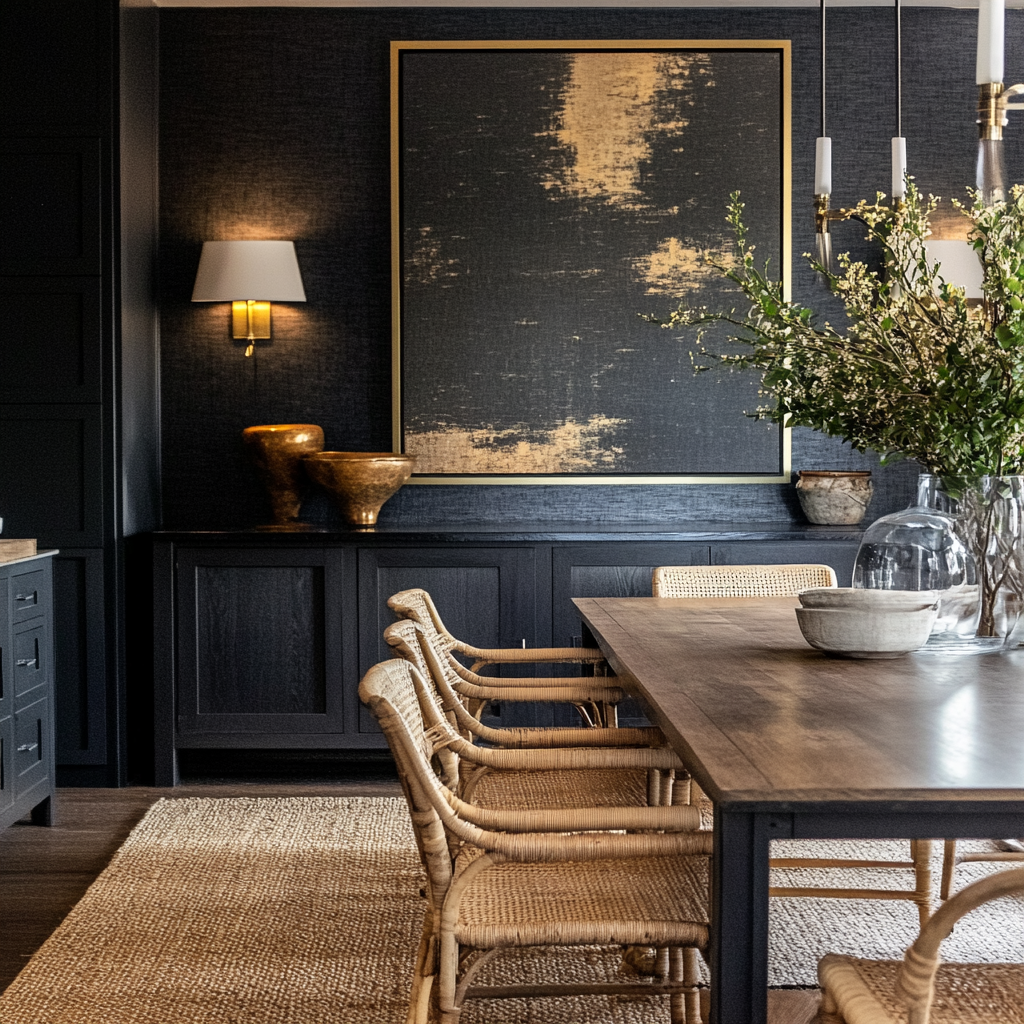
Option 1: Dark & Moody Dining Room
A deep, rich color palette creates an intimate and sophisticated setting. Perfect for cozy dinners and elegant gatherings. However, without proper contrast and lighting, the space can feel heavy or flat.
How to get the right look:
- Choose saturated hues like charcoal, navy, deep green, or espresso brown to add depth and character.
- Incorporate warm metallics (brass, gold, or aged bronze) for contrast and elegance.
- Use layered lighting—a bold chandelier, wall sconces, and candlelight—to highlight textures and prevent the space from feeling too dark.
- If the room has limited natural light, opt for a matte or velvet finish to create depth without absorbing too much light.
- Add wainscoting, textured wallpaper, or a high-contrast ceiling to keep the look dynamic and visually engaging.
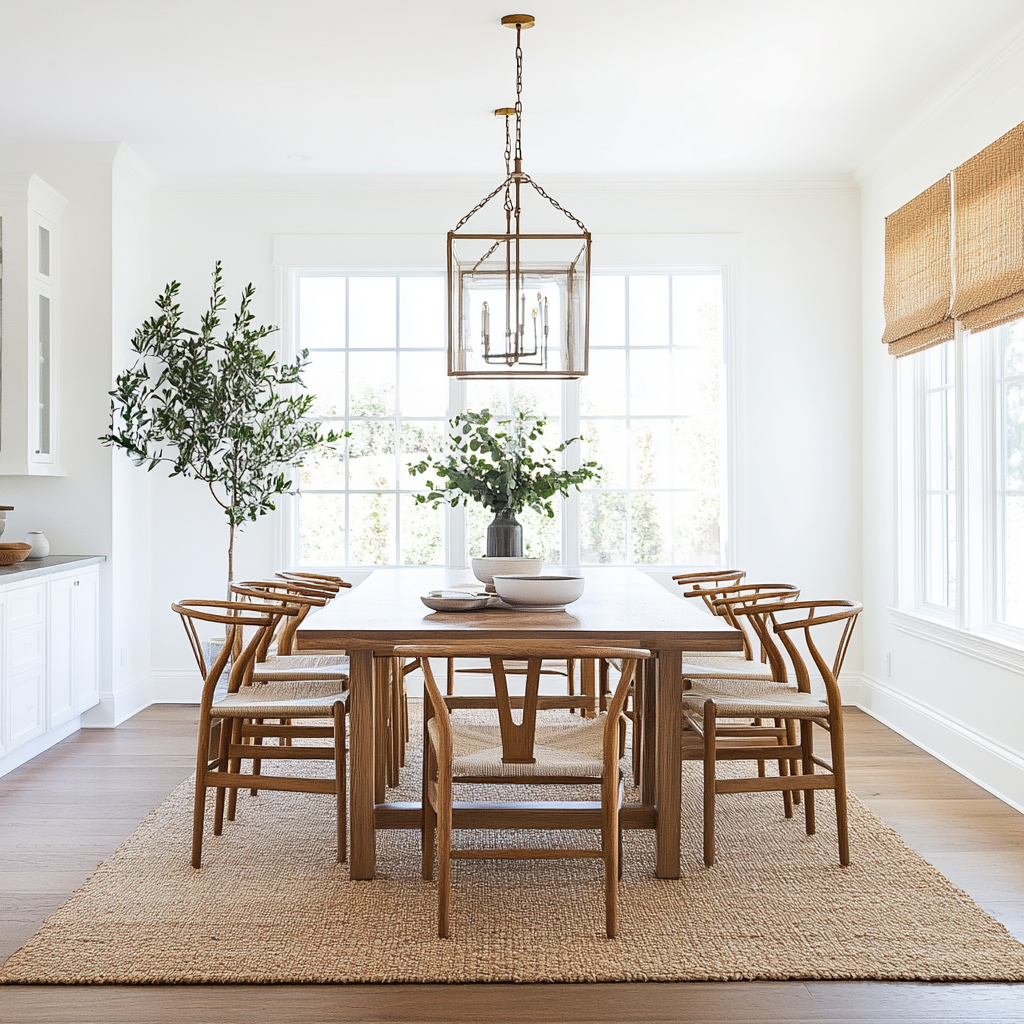
Option 2: Neutral & Timeless Dining Room
A neutral dining room offers a versatile and calming backdrop, allowing furniture, textures, and décor to take center stage. However, an all-white or beige dining space can sometimes feel flat or sterile without layering.
How to get It right:
- Start with a warm neutral base, such as soft taupe, greige, warm white, or subtle sand tones.
- Introduce depth through texture, like linen curtains, woven rugs, or wood accents.
- Add a subtle contrast with black or dark wood elements, such as dining chairs, a sideboard, or light fixtures.
- Incorporate earthy tones in decor and textiles—think terracotta, deep olive, or muted blues for warmth and variation.
- Use statement lighting and natural materials to keep the space inviting without feeling stark.
Which One Is Right for You?
If you love drama and cozy elegance, a dark and moody dining room might be the perfect fit. If you prefer a bright, airy space with timeless appeal, a neutral palette offers a clean and flexible foundation. Whichever route you choose, focus on balance, texture, and lighting to create a dining room that feels both stylish and inviting.
7. Not Defining the Dining Area in an Open Floor Plan
In open-concept spaces, a lack of definition between the dining area and other living spaces can make the room feel incomplete.

How to define the space:
- Use a rug, light fixture, or furniture arrangement to define the dining area.
- A sideboard or console table against a nearby wall can anchor the space and provide storage.
- If possible, position the table near a window or architectural feature to naturally frame the area.
8. Overlooking Storage Needs
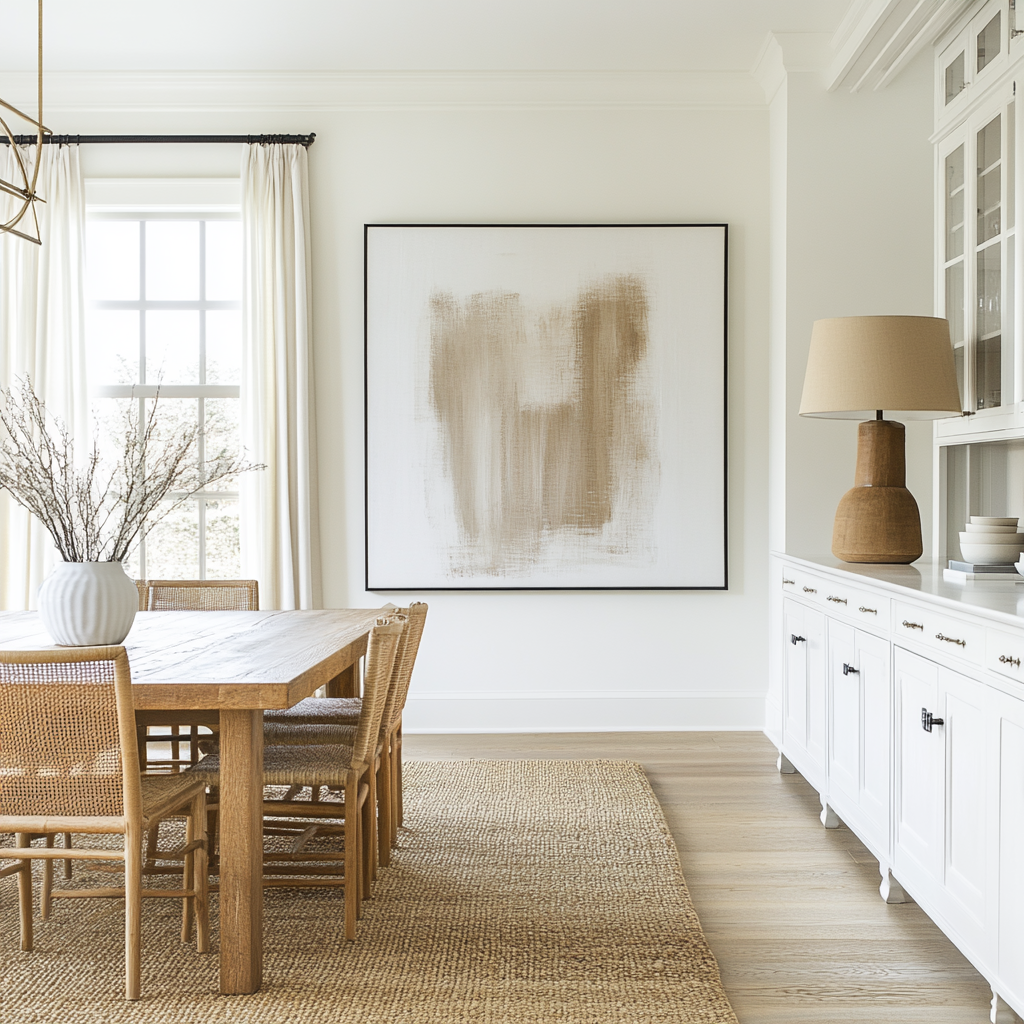
Dining rooms often need additional storage for tableware, linens, and seasonal decor, yet many homeowners don’t incorporate storage into their design.
How to add storage:
- Add a sideboard, buffet, or built-in cabinets to store essentials without cluttering the table.
- Floating shelves or a hutch can be great options for displaying dinnerware while maximizing storage.
- If space is limited, consider a bench with hidden storage for extra functionality.
9. Choosing the Right Centerpiece: Make a Statement
A dining table without a centerpiece can feel incomplete, while the right focal point can elevate the entire space. Instead of keeping it small and subtle, a large, sculptural centerpiece can add drama, height, and personality to your dining room.

How to add visual interest:
- Opt for a large vase with oversized stems, such as olive branches, pampas grass, cherry blossoms, or eucalyptus. This creates height and adds movement to the space.
- Choose a sculptural or textured vessel—ceramic, stone, or a modern glass vase—to complement your dining room’s style.
- For a symmetrical look, consider a pair of tall vases on either end of the table. Or balance a single statement vase with smaller accent pieces like candles or decorative bowls. When incorporating multiple items, be sure to use a tray or a runner to ground the pieces.
- If your dining table is extra long, a series of coordinating vases with varying heights can create an elegant, cohesive design.
- Swap out stems and greenery seasonally to keep the look fresh and adaptable throughout the year.
A bold centerpiece doesn’t just decorate the table—it sets the tone for the entire dining room.
By avoiding these common dining room design mistakes, you can create a space that is functional, visually appealing, and comfortable for everyday meals and special occasions alike. The key is to balance proportion, lighting, comfort, and style to create a dining room that truly works for your home.
Need expert advice on how to make your dining room more functional and visually appealing? Check out my interior design services. I would love to hop on a free design consultation call with you!
Designer Tip: When It Might Be Time to Bring in Help
If you’re working on your home and things still don’t feel quite right, you’re not alone. Many of our clients start exactly where you are now. They’ve gathered ideas, saved inspiration photos, and maybe even purchased a few pieces, but the space still doesn’t feel cohesive. That’s often the moment when having a designer can make all the difference. We help homeowners create a clear plan so every decision works together. From layout and furniture placement to finishes and lighting, the goal is a space that feels thoughtful, comfortable, and complete.
If you’d like a little guidance with your space, you can learn more about our interior design services below.
Explore Interior Design Services
Planning a kitchen, living room, or full home project? Start with a quick discovery call to see if we’re a good fit.
Let’s go beyond the design to build something beautiful together!
More Interior Design Posts:
5 Essentials Every Entryway Needs

0 Comments