

Color has a remarkable way of changing how a room feels and how people respond to it. From cozy and calming spaces to bold and energetic ones, the shades you choose can set the mood, influence your behavior, and even change how you feel at home. That’s why understanding how to use color psychology in home design can make such a big difference.
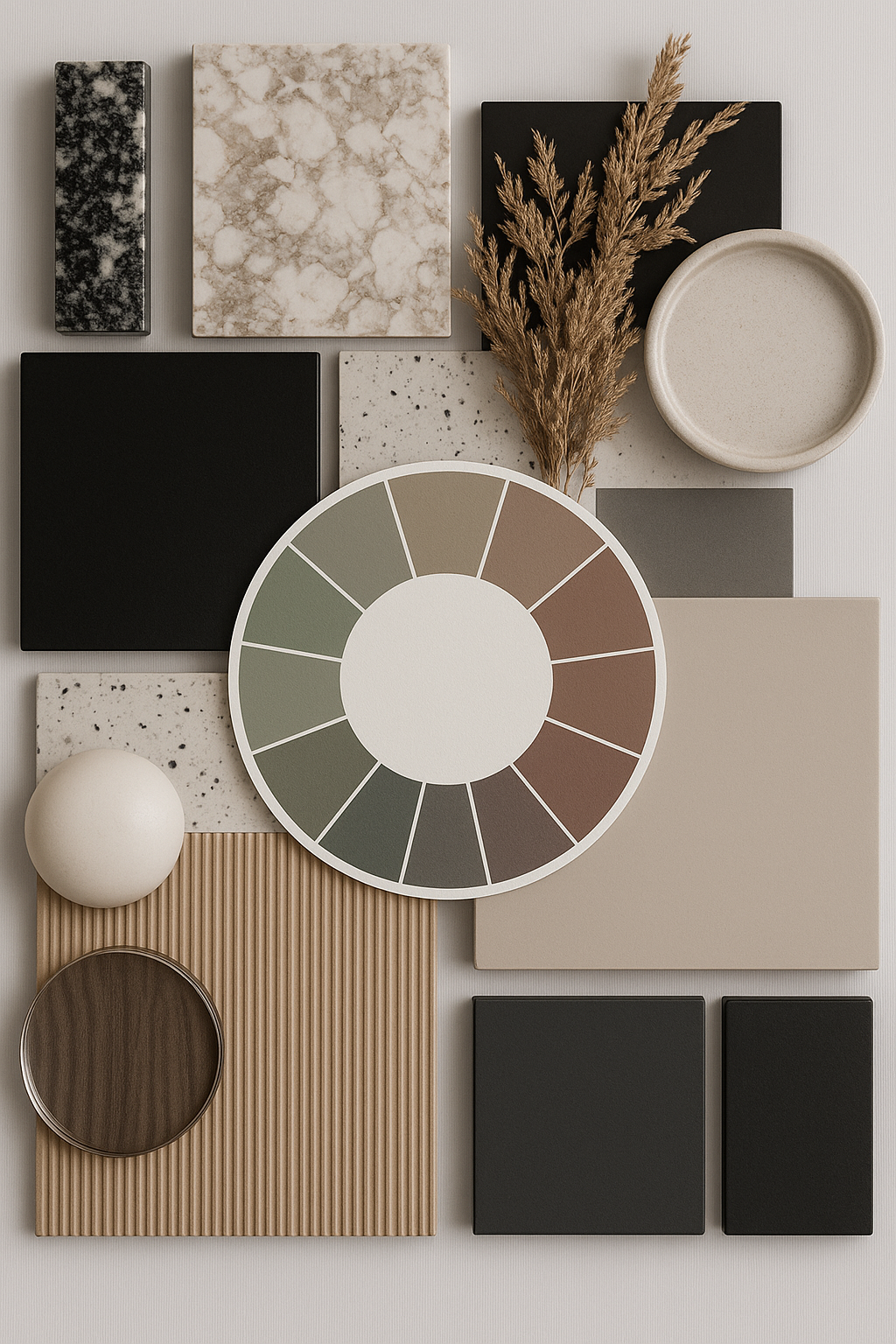
The idea isn’t about following trends for the sake of it but about creating a space that matches the personality and emotional needs of the people living in it. Learning how to combine colors, choose the right paint, and play with light can completely transform any room, no matter how big or small.
Why color psychology matters in home design
Color psychology is the study of how color influences emotions and behaviors. In home design, this means that choosing the right colors can create a sense of calm, boost energy, or promote focus depending on the space. It’s not just about making things look nice–it’s about making them feel right, too.
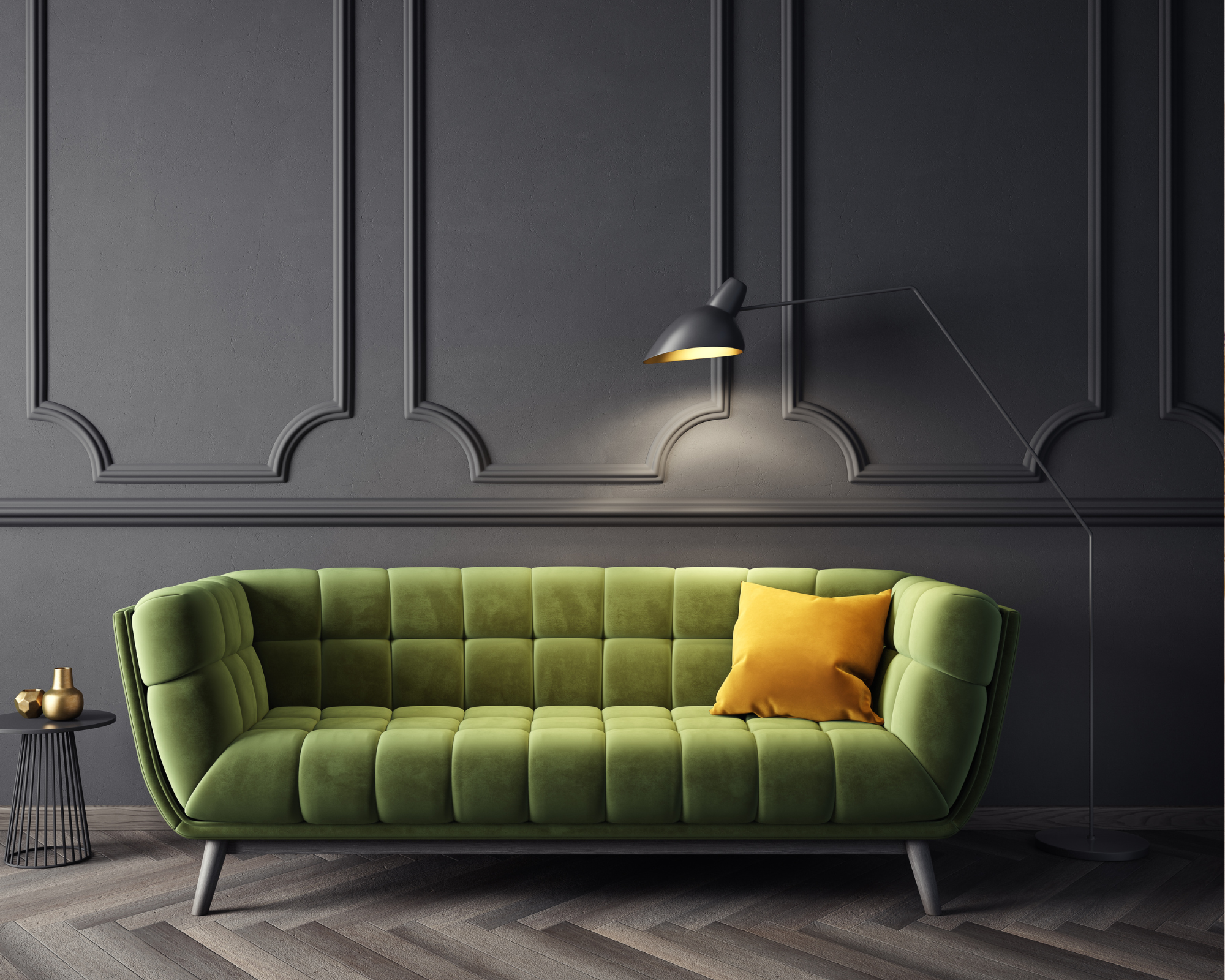
When someone walks into a room painted in soft blues or gentle greens, they’re likely to feel more relaxed than if they walked into a bright red space. Each color brings its own emotional response, and the way it’s used in a room can either enhance or dampen that reaction. That’s why thoughtful planning is worth the effort.
The basic principles of color theory
Before diving into color psychology, it helps to know how colors work together. Understanding the basic principles of color theory means learning how to mix and match colors in a way that’s visually pleasing. It involves concepts like complementary colors, analogous schemes, and warm versus cool tones.

Warm colors like reds, oranges, and yellows tend to bring energy and make spaces feel cozy, while cool colors like blues and greens create calm and space. Neutrals like grays, whites, and taupes often act as a backdrop to help bolder colors stand out or soften a room’s look.
Choosing colors based on mood and function
Different rooms serve different purposes, so it makes sense to choose colors based on how a space is used. For example, soft earth tones work well in bedrooms because they’re calming, while brighter hues can work well in kitchens or creative spaces where more energy is needed.

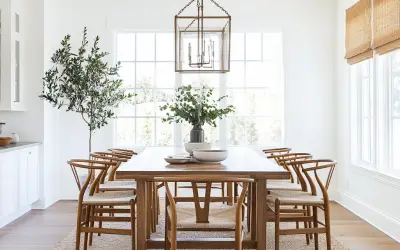
Source: Pure Salt Interiors
The bedroom might benefit from muted lavenders or gentle blues that help with relaxation, while a home office could use a light green or beige to support concentration. Thinking about the effects of color on mood and behavior helps guide those decisions so the space works both visually and emotionally.
How lighting affects paint color
It’s important to remember that light can completely change how a color appears. Whether it’s natural daylight or artificial lighting, the same paint can look totally different depending on the light source. That’s why understanding how lighting affects paint color is so important during the design process.

Cool, north-facing rooms might make warm colors feel more muted, while bright, sunlit spaces can make them pop. LED lighting with a cool hue might make blues seem more vivid, while warm incandescent bulbs can make them appear duller. That’s why it helps to look at color samples at different times of day.
Using accent colors to create focal points
Accent colors can completely change the way a room feels by drawing the eye and adding interest without overwhelming the space. They’re great for creating focal points, breaking up large neutral areas, or giving a room a sense of structure and balance. An accent wall behind a bed, a brightly painted piece of furniture, or even a bold-colored rug can all serve this purpose.

The key is to pick an accent color that complements the room’s main palette without clashing. Using too many accents can make a space feel busy, so it’s better to stick with one or two standout shades. Accent colors work best when they highlight something specific in the room, like architectural features or favorite pieces of decor.
Testing out colors before making a commitment
One smart way to avoid disappointment is by testing paint before covering all four walls. This doesn’t mean buying dozens of tiny paint pots unless someone wants to. These days, you can use a virtual paint tool to test colors and visualize what it will look like in your home, helping people narrow down their choices without the mess.
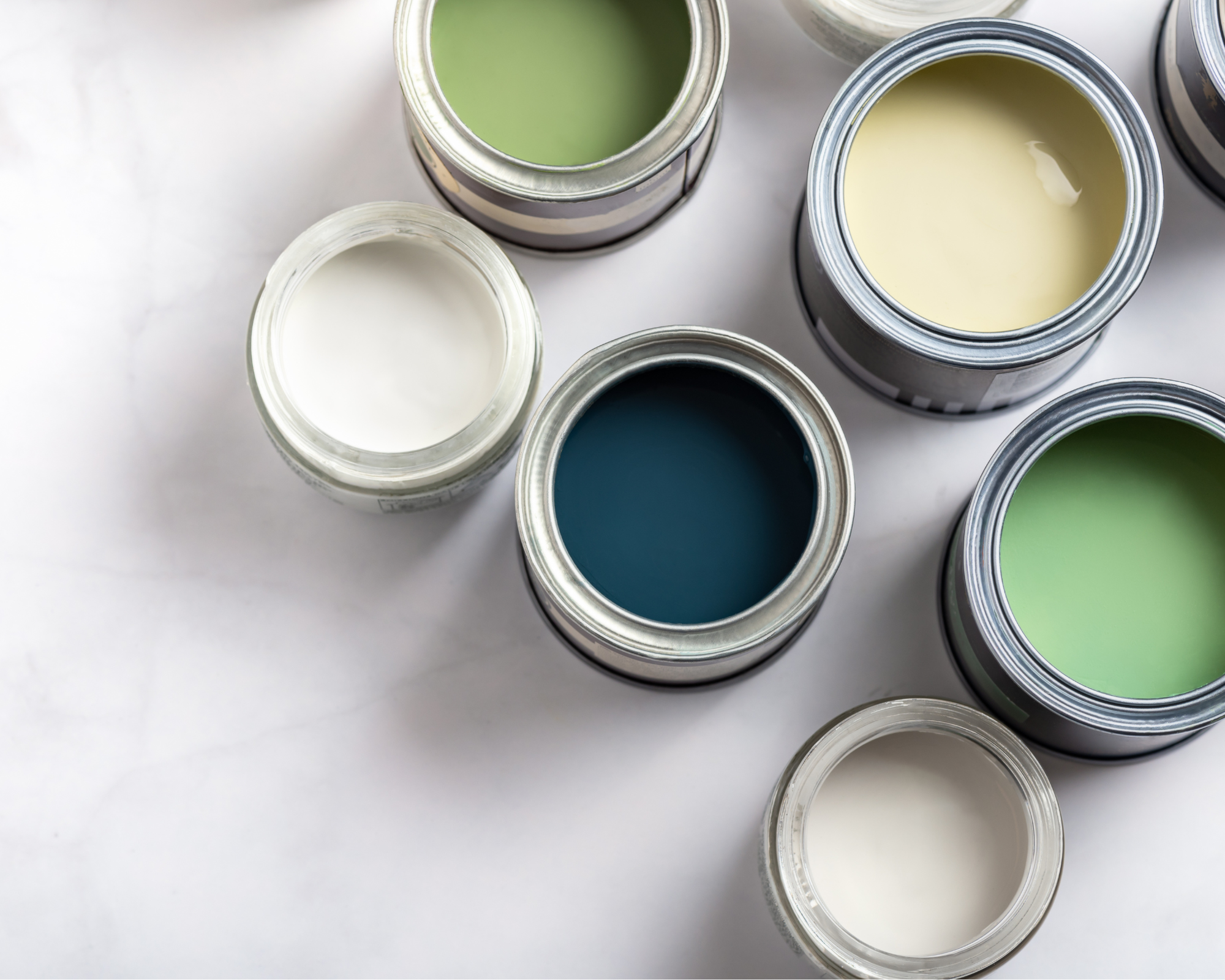
Paint swatches still help in real-world lighting, but digital tools offer a quick way to compare shades. Uploading a photo of a room and trying different shades can help confirm whether a color works in a space or not.
Trying modern paint colors in different spaces
There’s no rule that says homes need to be painted in beige or white all over. Designers today are trying out different modern paint colors in your home to bring a fresh and unexpected twist to familiar spaces. Soft sage greens, dusty roses, and deep charcoals are being used in creative ways.
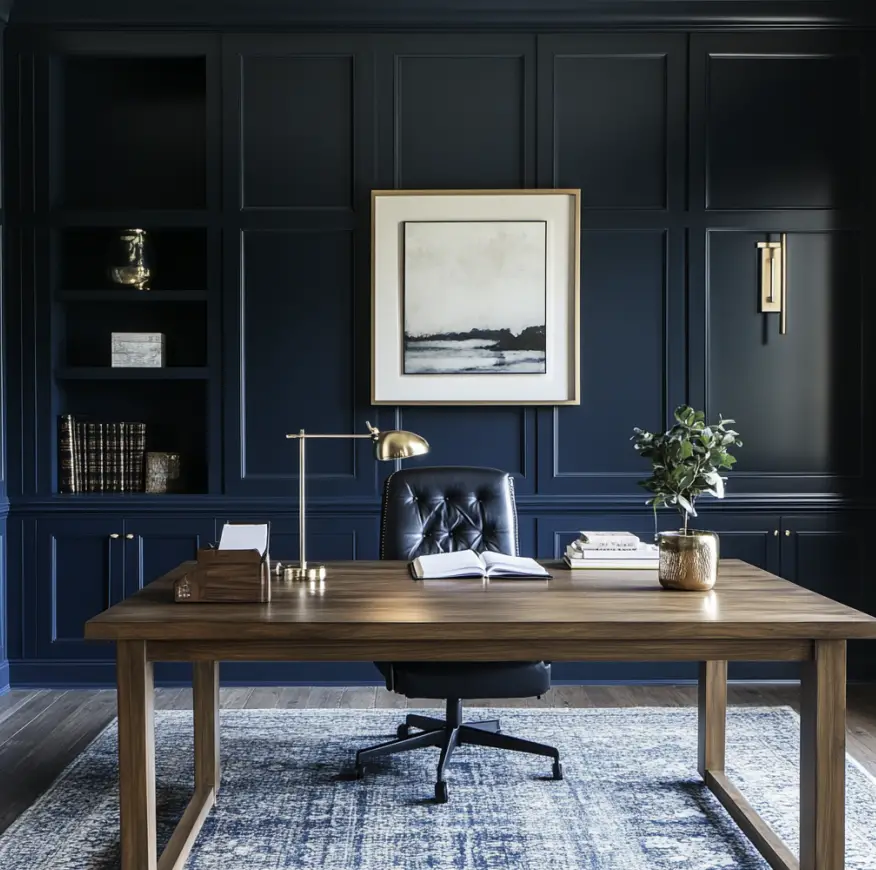
Using bold colors doesn’t mean painting the whole room in it. Accent walls, ceilings, or even doors can carry color without overwhelming the space. Experimenting with trendy tones can give a home a more current and personal look while still being livable.
Creating harmony with a cohesive color palette
A cohesive color palette brings a sense of flow and unity throughout a home, making each room feel like part of a larger, intentional design. This doesn’t mean using the exact same color in every space, but rather selecting shades that complement one another and maintain a consistent mood from room to room.

Choosing a base color and then building around it with lighter or darker tones, as well as a few well-placed contrasts, helps create balance. This approach makes transitions between rooms feel smooth and natural. Whether the goal is calm and soothing or bold and energizing, a cohesive palette keeps the home feeling thoughtfully designed and visually connected.
Finding the right product for your space
Once the perfect color is chosen, the next step is finding the right paint for the job. Not all paints are created equal, especially when comparing options for interior vs. exterior use. Luckily, online stores like Shaves.co.za offer a huge range of interior and exterior paints, making it easy to find high-quality options for any project.
With so many finishes to choose from, like matte, eggshell, or gloss, it’s worth thinking about durability and ease of cleaning in each space. For instance, kitchens and bathrooms often benefit from finishes that are more resistant to moisture and stains.
Pairing color with materials and textures
Color isn’t the only thing that influences a room’s feel. Materials and textures also play a big role. A soft gray wall paired with velvet furniture and brass fixtures gives a very different impression than the same wall color with rattan chairs and cotton throws.

Mixing textures can highlight or tone down certain colors. Smooth, shiny surfaces tend to make colors look brighter, while rough, matte textures often soften them. Using color in combination with texture helps create layers and depth in a room without making it too busy.
Using color psychology in home design isn’t just about looks. It’s about creating a space that feels right for the people living in it. By thinking about how color affects mood, trying new shades, and working with lighting, anyone can turn their home into a place that supports how they want to live and feel.
Designer Tip: When It Might Be Time to Bring in Help
If you’re working on your home and things still don’t feel quite right, you’re not alone. Many of our clients start exactly where you are now. They’ve gathered ideas, saved inspiration photos, and maybe even purchased a few pieces, but the space still doesn’t feel cohesive. That’s often the moment when having a designer can make all the difference. We help homeowners create a clear plan so every decision works together. From layout and furniture placement to finishes and lighting, the goal is a space that feels thoughtful, comfortable, and complete.
If you’d like a little guidance with your space, you can learn more about our interior design services below.
Explore Interior Design Services
Planning a kitchen, living room, or full home project? Start with a quick discovery call to see if we’re a good fit.

0 Comments